
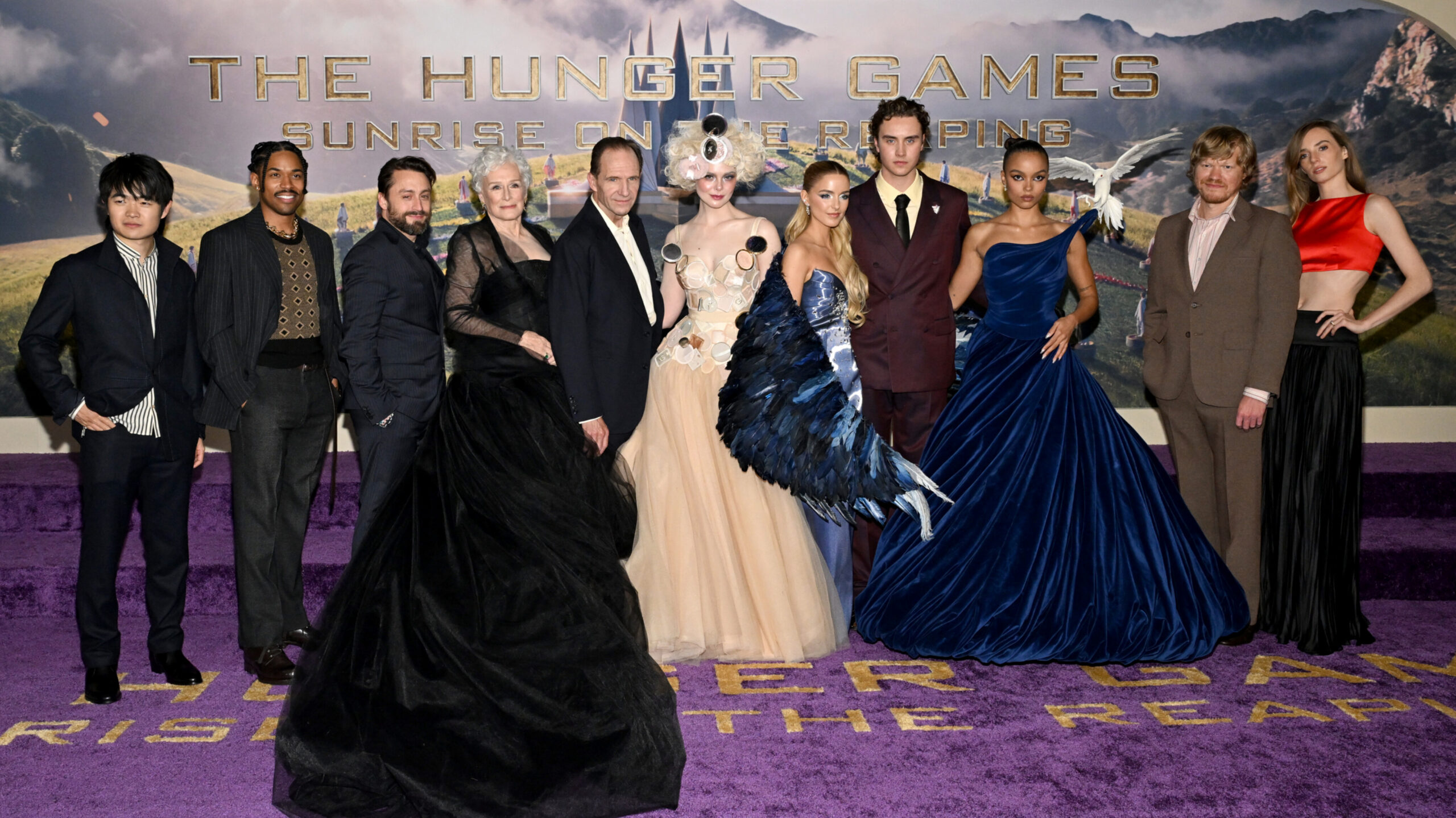
“The Hunger Games: Sunrise on the Reaping” is true to its title. Directed by Francis Lawrence and based on Suzanne Collins’ 2025 novel, this prequel to the Hunger Games series delivers the brutal dystopian storytelling fans expect—but with a disturbing edge that cuts deeper than expected. Where The Ballad of the Songbirds and Snakes took time to resonate, Sunrise on the Reaping hits hard immediately. Audiences are confronted with the film’s unflinching depiction of violence against children, forcing a reckoning with a darker question: Why are these young people being hunted? In exploring this brutality, the film exposes uncomfortable truths about safety failures in our own society.
In Sunrise on the Reaping, we discover who Haymitch Abernathy truly was before he became Katniss’s broken mentor. Played by Woody Harrelson in the original trilogy, Haymitch mentored Katniss and Peeta from District 12—but now we understand why. He came from the same poverty-stricken district, treated as disposable by the Capitol. Forced into the Games to survive and free his family, he discovered the brutal truth: the system is rigged, the games are never fair, and rebellion against Snow brings only terror and suffering. What’s striking is the parallel to President Snow’s origin in The Ballad of the Songbirds and Snakes—both men were molded by grief. Both lost the women they loved. And both channeled that loss into obsession with the Games themselves. For Snow, it became a tool of control. For Haymitch, it became the reason for his despair.
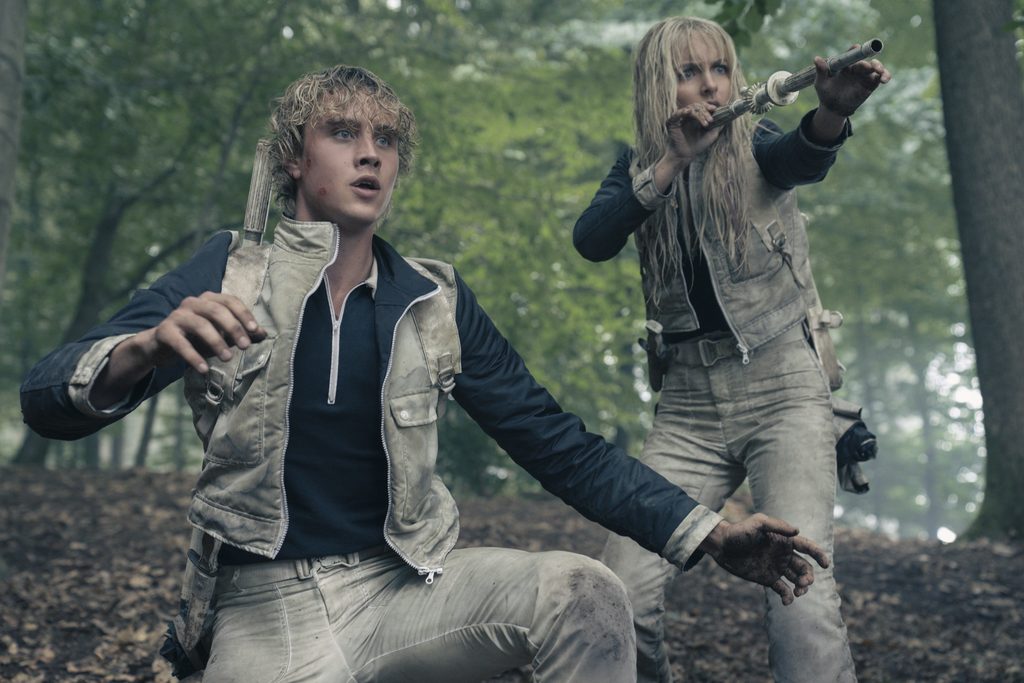
The story begins on Haymitch’s 16th birthday, the same day the reaping is announced in District 12. When a desperate tribute attempts to escape, he’s gunned down—and Haymitch is forced into his place alongside three other tributes: the strong Maysilee Donner (McKenna Grace), the quiet Louella McCoy (Molly McCann), and the town’s least-liked resident, Wyatt Callow (Ben Wang). The four are whisked to the Capitol with a dangerous mission in mind: stop the Games by destroying the system itself. But tragedy strikes before they even enter the arena. During the opening parade, a chariot crashes, killing Louella. Haymitch, devastated and furious, doesn’t hide his anger from President Snow—a defiance that will literally scar him. This moment marks the beginning of Haymitch’s vendetta and Snow’s ruthless response.
Sunrise on the Reaping refuses to look away from its own brutality. McKenna Grace’s haunting performance—captured perfectly in the track “Half Alive”—serves as the film’s emotional core, a reminder that these are children being sacrificed for spectacle. The question lingers long after the credits roll: Are we building a world where children’s suffering has become entertainment? The film doesn’t offer easy answers, but it forces us to confront an uncomfortable truth—that the line between Panem’s moral collapse and our own complacency may be thinner than we’d like to admit. This is Suzanne Collins’ most damning indictment of the Games yet, and Francis Lawrence captures every ounce of its rage.
This film is in theaters November 20th. I rate it (4/4) 🍿
Director Francis Lawrence along with Cast Members Interviews:

Expressing my opinion
Chief Editor