
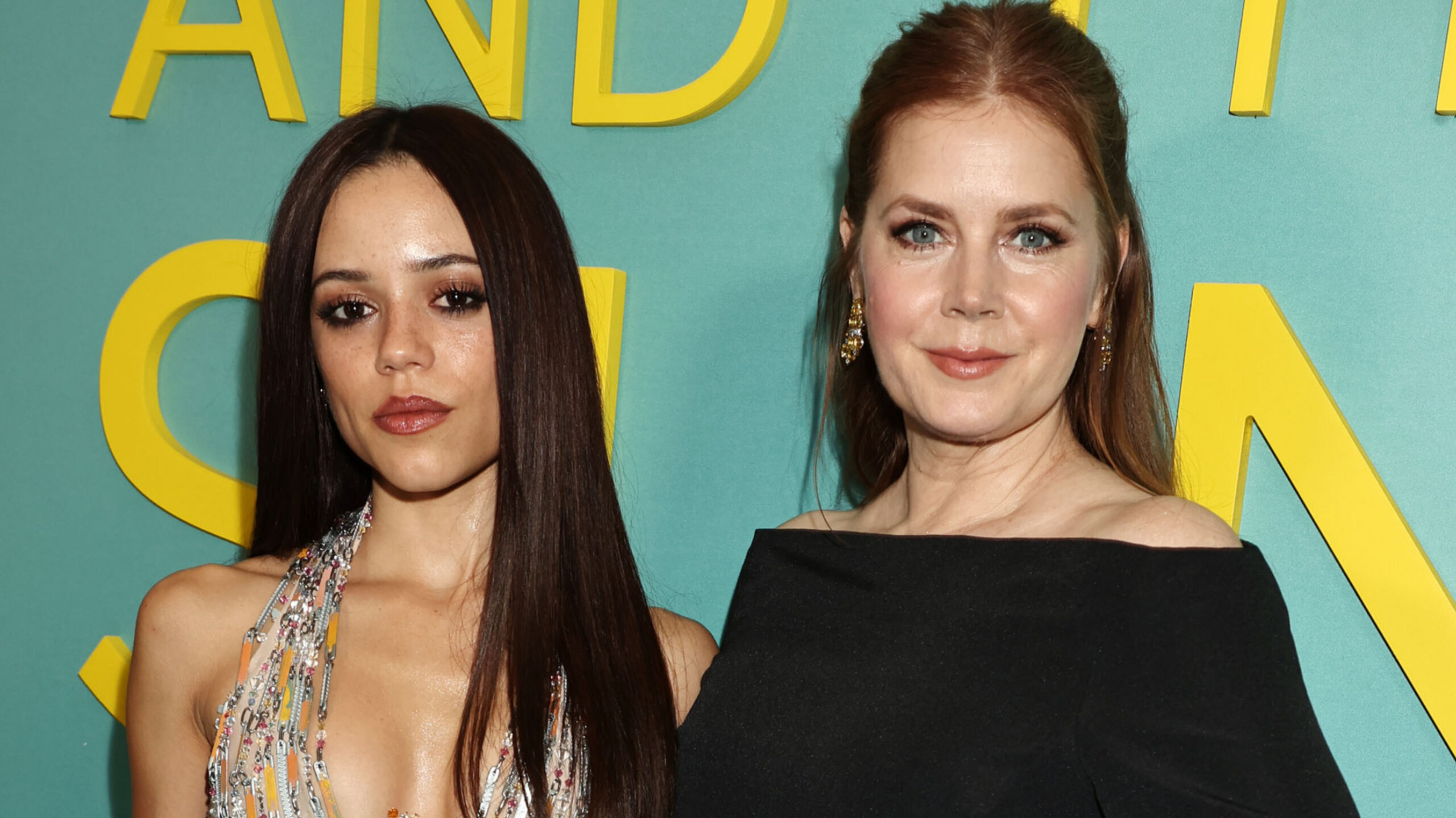
Director Taika Waititi’s adaptation of Klara and the Sun is a bright, visually engaging production of Kazuo Ishiguro’s novel. It’s told from the perspective of Klara (played by Jenna Ortega), a solar-powered Artificial Friend robot who sees the sun as a god, and is eager to be chosen as a human child’s friend. Klara and the Sun is a light science fiction story set in a post-WWIII, dystopian society that is more implied than shown. While there are subtle cyberpunk vibes, the focus is less on the science behind the technology and more on existing with the technology itself.
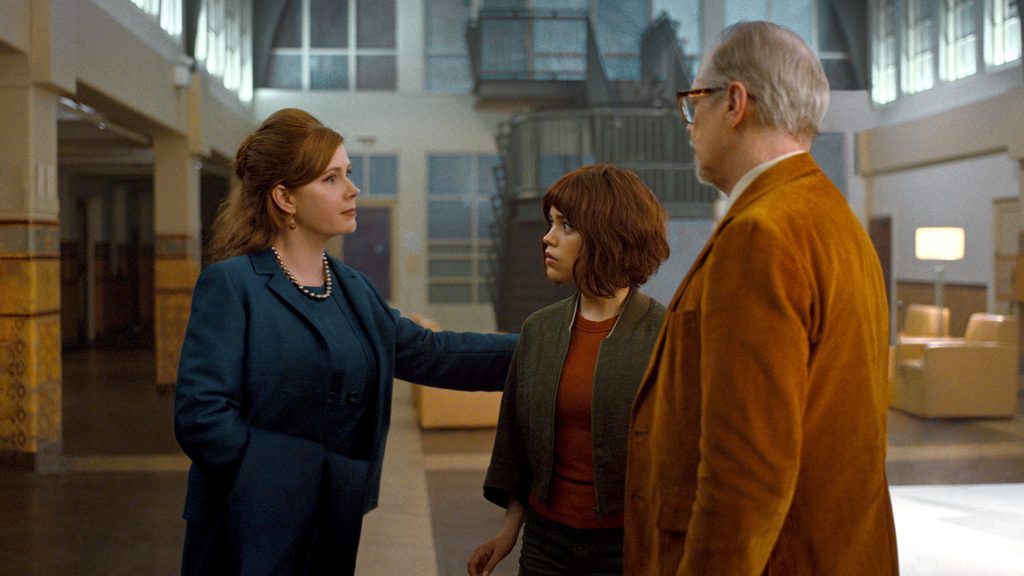
Klara and the Sun begins in the Artificial Friend store, which feels like the nursery school for Klara and other naive AF models, run by Store Manager (played by Natasha Lyonne). They compete for the chance to serve their purpose against the newer, less emotion centered models. Klara is chosen by Josie (played by Mia Tharia), a “lifted” teen, who has undergone genetic alteration to heighten intelligence and therefore social and economic prospects. Through her heightened observation and emotional capacity, Klara’s understanding of the world expands as she bonds with Josie and gradually overcomes a cool reception from Josie’s mother, Chrissie (played by Amy Adams), the housekeeper (played by Rachel House), and Josie’s naturally gifted but non-lifted friend, Rick (played by Aran Murphy).
Relationships are at the forefront of Klara and the Sun. It’s easy to become invested in these characters as Klara learns about Josie’s condition, Chrissie’s secrets, and the complexity of love while all of their vulnerabilities are revealed. The film questions our expectations of technology, subtly considering the potential of intelligent AI robots, what makes humans unique, our need for emotional connection, and the existence of a soul. It explores faith as Klara’s unwavering belief in the life-giving power of the sun to save Josie through her worship and self sacrifice is juxtaposed with Chrissie’s belief in the ability of technology to overcome death.
Ultimately, Klara and the Sun seems to reside in a contemplative corner of the science fiction genre. The dreamlike quality of the film manages to preserve the story’s meaning, but quirkiness and humor seem to smother the subtle emotional tone of the source material. It tries to be equally heartwarming and heart wrenching and comes close thanks to Ortega’s embodiment of Klara’s innocent nature. But, like an overly needy friend, it’s a bit relentless. There’s a sadness underlying the bright and colorful film, and sometimes that’s from its ability to expose the hope and longing within loneliness, but there’s also the sense of sadness over Waititi’s treatment of Ishigura’s craftsmanship of Klara’s world, only to be found in the book.
The movie releases October 23rd. I rate it a (3/4) 🍿
