
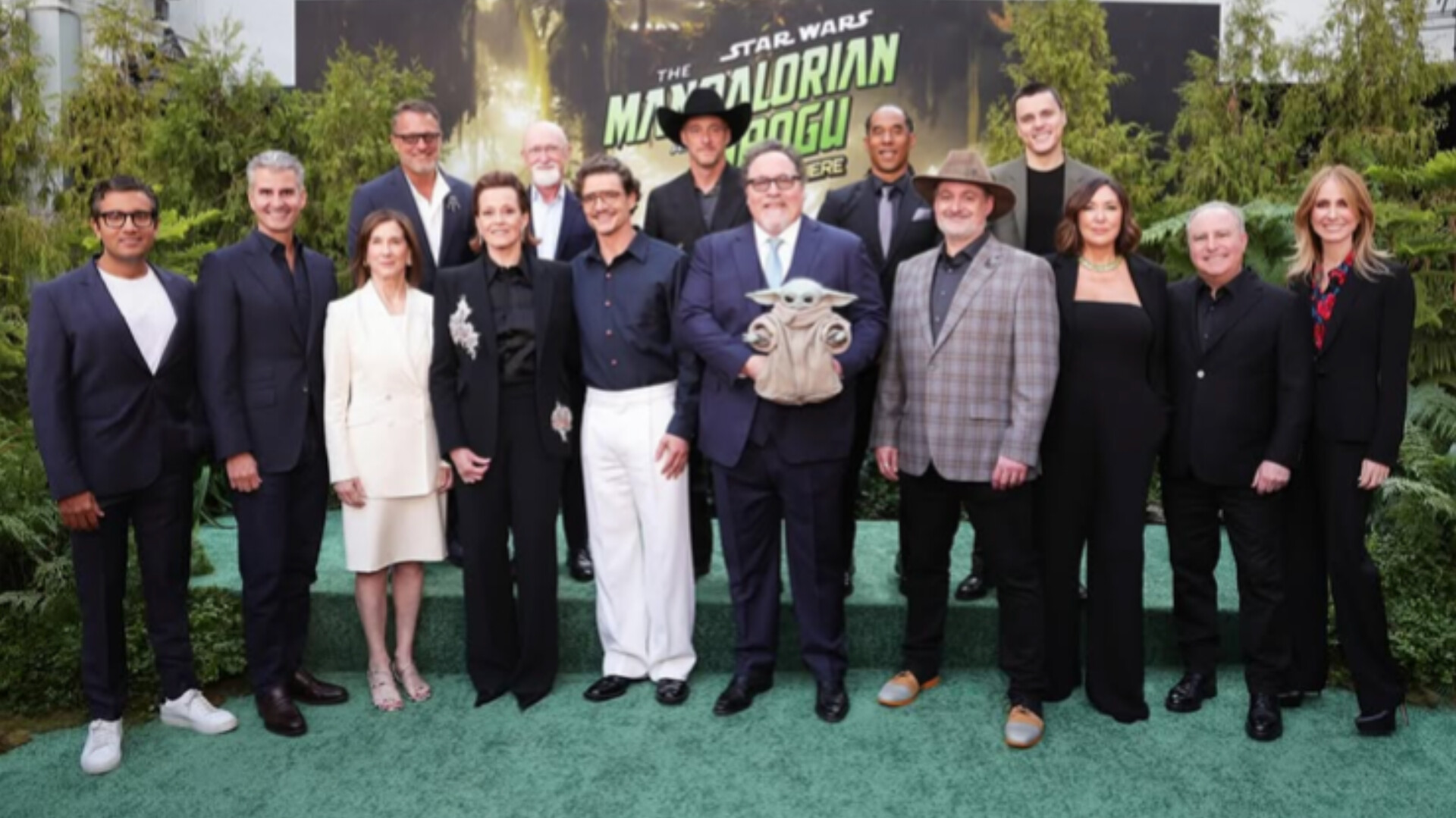
Seven years after the fall of the Empire, the galaxy is still healing. The New Republic — born from the ashes of decades of Imperial rule — is young, idealistic, and dangerously fragile. Political factions squabble. Military resources are stretched thin. And out in the Outer Rim, something dark is stirring.
That’s the world The Mandalorian & Grogu drops us into.
The New Republic isn’t the polished, confident government of the prequel era. It’s a work in progress — and that tension is where the film finds its dramatic footing. There are those within its ranks who believe in diplomacy and structure. And there are those who’ve lived long enough in the outer reaches of the galaxy to know that evil doesn’t wait for committee votes. Din Djarin is firmly in the latter camp. When intelligence surfaces that a reorganized Dark Side faction is quietly destabilizing Republic-aligned systems — one planet at a time, methodically, patiently — the bureaucratic machinery moves too slow. Mando moves faster. With Grogu at his side, he’s threading through a galaxy caught between the hope of what the New Republic could be and the reality of what’s still lurking in the shadows.
It’s a classic Star Wars tension — order versus chaos, hope versus cynicism — and it works because this time, we actually care about the people caught in the middle.
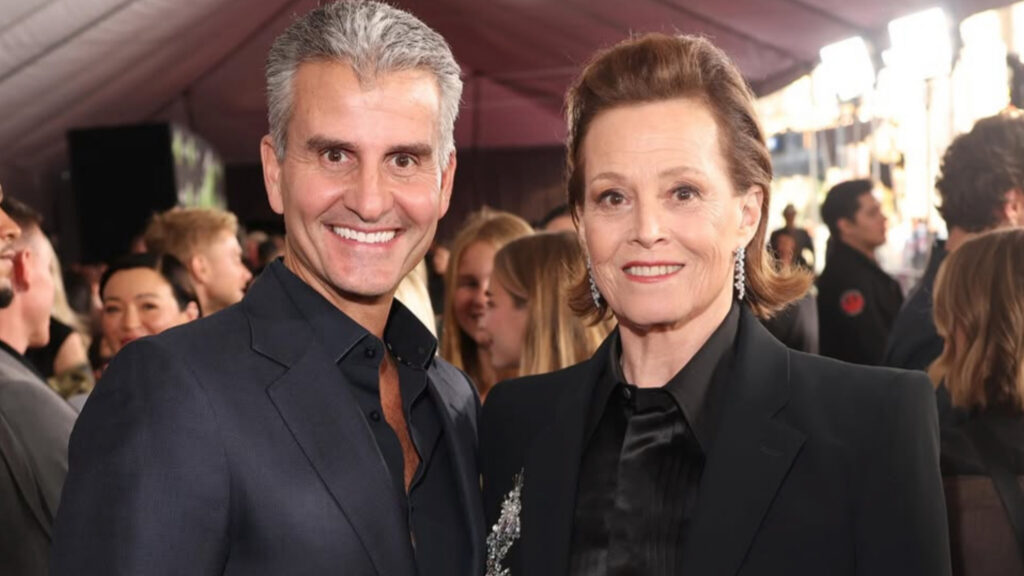
The mission begins with an unlikely assignment — Din Djarin and Grogu are dispatched to locate and rescue Rotta the Hutt. Yes, that Rotta. Jabba’s son. The infant Hutt once nicknamed “Stinky” by a young Ahsoka Tano during the Clone Wars, now grown into a figure of considerable power and political weight in the criminal underworld. His rescue isn’t charity — it’s strategy. Rotta controls supply routes through Hutt Space that the New Republic desperately needs to cut off the Dark Side faction’s resources. Lose Rotta, lose the routes. Lose the routes, lose the war before it officially starts.
This is a theatrical film and it shows. Every frame is crafted with a scale and intention that television — even prestige television — simply can’t match. The Outer Rim worlds feel lived in and vast. Space battles have weight. And the quiet moments — a sunset on a desert planet, Grogu asleep in his pod — are given the cinematic breathing room they deserve. Pedro Pascal has fully inhabited Din Djarin at this point. There’s no daylight between the actor and the character. He communicates volumes through body language alone — which matters when half your face is behind a helmet. And Grogu, puppet and CGI hybrid that he is, remains one of the most expressive characters in the entire franchise.
Ludwig Göransson returns — and thank the Maker for that. His score for the original Mandalorian series was a revelation: sparse, textural, haunting. For the big screen, he expands the sonic palette without losing the intimacy that made the TV score so distinctive. The main Mando theme hits differently in a theater with a proper sound system. There are new motifs introduced for the villain and for Grogu’s evolving Force connection that are quietly brilliant — the kind of musical storytelling John Williams built his legacy on, carried forward with fresh instincts.
Over all the film is very entertaining and the typical Star Wars moose. The kids will really enjoy even if they didn’t see the other films before. I was still watching intently just as I did the last series. This film is in theaters May 22nd. i will rate it a (3/4) 🍿
Director and Cast interviews:

Expressing my opinion
Chief Editor